In-Store Retail Media: The Advertising Channel Brands Are Still Underestimating
Published: June 23, 2026 | Case Studies & Guides, Retail & Commerce, Technology & Tools
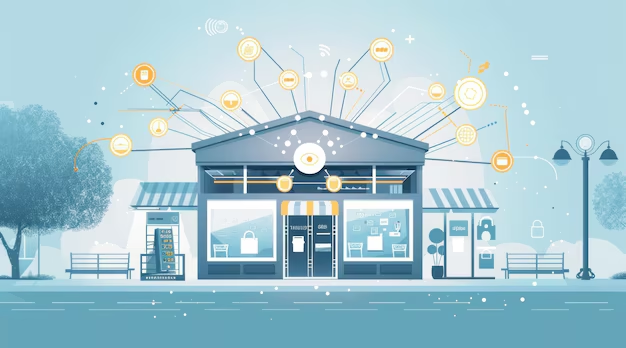
Table of Contents
- Why are brands underestimating in-store retail media?
- What is driving the rise of the connected store?
- How can brands win with in-store retail media?
- Frequently Asked Questions about In-Store Media
- Expert Author Bio
Key Takeaways
- 45% of shoppers research products online while actively shopping in-store, meaning the digital and physical purchase journeys are already the same journey.
- In-store retail media allows brands to reach shoppers at the exact moment of decision, with digital precision applied to a physical environment.
- Winning in-store requires different creative thinking, connected measurement, and a clear understanding of how physical advertising interacts with digital intent.
Brands are underestimating in-store retail media because they still view digital advertising and physical shopping as separate ecosystems, despite data proving they are deeply connected. For the last five years, the retail media conversation has been almost entirely digital: sponsored search results, display banners, off-site targeting. But the reality is that the majority of grocery and CPG purchases still happen in physical stores.
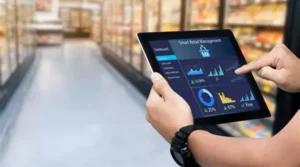
Profitero+ research found that 45% of shoppers research products online while they’re already shopping in-store. That means nearly half your in-store shoppers are holding a device that’s actively influencing what they put in their cart. The digital shelf and the physical shelf are the same shelf.
What is driving the rise of the connected store?
The connected store is being driven by retailers digitizing the physical aisle through smart screens, audio networks, and app-triggered notifications. Retailers understand that the physical store is becoming a media network in its own right. For brands, this represents a significant opportunity — and a meaningful shift in how media budgets should be allocated.
In-store retail media allows you to reach a shopper who is already in your category, already in a purchase mindset, and already holding a device that can complete the transaction. That’s a different kind of intent than a pre-shop search.
How can brands win with in-store retail media?
Brands can win with in-store retail media by adapting their creative to a high-distraction environment and connecting their physical campaigns to digital intent. Context is everything. A digital banner on Amazon has a captive audience. An in-store digital display is competing with a full cart and a shopping list. Creative must be immediate, bold, and focused on a single message.
Furthermore, the most effective in-store media campaigns connect to the digital journey. If a shopper added an item to their digital cart but didn’t check out, an in-store notification can close the loop while they’re in the aisle. Measurement must account for this omnichannel effect.
Frequently Asked Questions about In-Store Media
- What is in-store retail media? In-store retail media involves delivering targeted advertising to shoppers inside a physical retail location, using digital formats like smart screens, endcap displays, audio networks, and retailer app push notifications.
- Does in-store media only drive physical sales? No. In-store media drives a halo effect that boosts brand awareness and influences future digital purchases, making it a critical part of a full-funnel omnichannel strategy.
Connect your digital intent with physical action. Discover our Managed E-Commerce Services to unify your omnichannel strategy.
Expert Author Bio Isaac Wanzama — Founder + Chief Strategist, geekspeak Commerce With over 20 years of experience in e-commerce strategy, Isaac helps enterprise brands navigate the intersection of product data, retail media, and digital discoverability.